Grass-Fed Tallow: Benefits for Health, Cooking, and Skin
posted on
October 16, 2026
The Case for Grass-Fed Tallow
Rediscovering an Old Favorite
Tallow is simply rendered beef fat, and for most of history it was a kitchen and household staple. Our great-grandparents fried in it, baked with it, made soap and candles from it, and rubbed it into chapped hands after a cold day of chores.
Then, in the mid-1900s, animal fats fell out of fashion and industrial seed oils took their place on store shelves. Today more families are coming back to tallow, and for good reason. When it comes from cattle raised entirely on pasture, it is one of the most versatile and nourishing fats you can keep in your home.
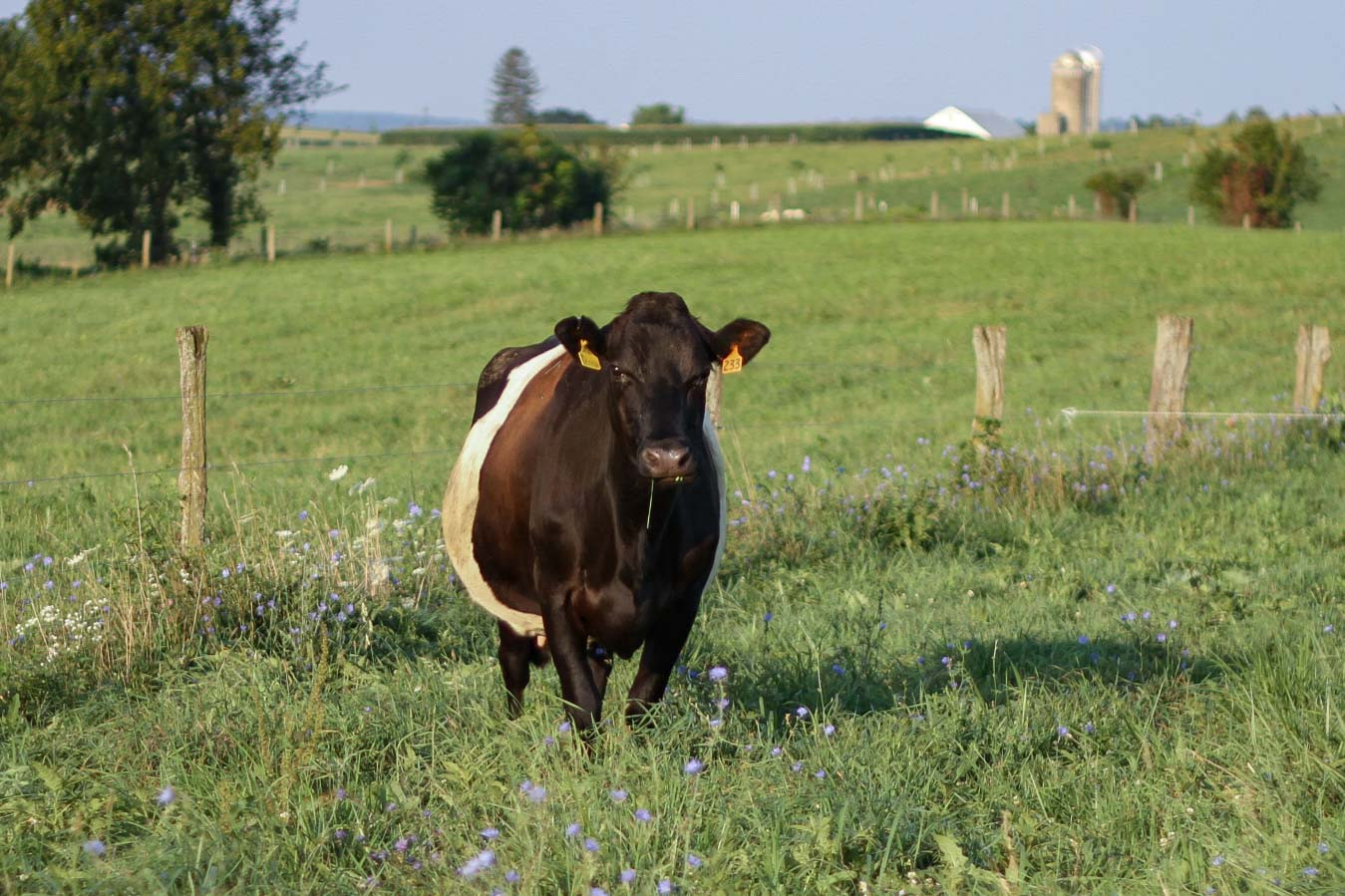
Our cattle are 100% grass-fed and grass-finished. Nothing goes to waste, and the fat from our beef becomes the tallow we cook with and the tallow balm we make for your skin. Here is why we think it deserves a place in your kitchen.
Health and Nutrition
Grass-fed tallow is a whole, traditional food made with one ingredient and no chemical processing. Here is what makes it stand out:
- Fat-soluble vitamins. Tallow from pastured cattle carries vitamins A, D, E, and K2. These vitamins need fat to be absorbed, so tallow delivers them in the form your body is built to use.
- CLA (conjugated linoleic acid). Grass-fed beef fat contains more CLA than fat from grain-fed cattle. CLA is a naturally occurring fatty acid that researchers continue to study for its role in metabolism and overall health.
- A balanced fat profile. Tallow is roughly half saturated fat and close to half monounsaturated fat, much of it oleic acid, the same fat that olive oil is known for. A large share of its saturated fat is stearic acid, which studies show has a neutral effect on cholesterol levels.
- Low in fragile omega-6 fats. Unlike many seed oils, tallow contains very little polyunsaturated fat, so it does not break down easily or turn rancid quickly.
- Steady energy. Fat is slow-burning fuel. Cooking with a stable, satisfying fat helps meals keep you full longer.
Why grass-fed matters: What a cow eats shows up in its fat. Cattle grazing fresh pasture produce fat that is richer in nutrients like CLA, omega-3s, and beta-carotene, which gives grass-fed tallow its golden color.
As with any food, balance is key. If you are managing a specific health condition, talk with your healthcare provider about the right fats for your diet.
In the Kitchen
There is a reason old-time diners and the best fry shops swore by beef tallow. It is one of the most heat-friendly fats you can cook with.
- High smoke point. Tallow handles temperatures around 400°F, so it is ideal for searing, frying, and roasting without smoking up your kitchen.
- Stable under heat. Because it is low in polyunsaturated fat, tallow resists breaking down when heated. That means fewer off flavors and less oxidation than many vegetable oils.
- Rich, savory flavor. Well-rendered tallow adds a subtle, clean richness that makes potatoes crispier, vegetables more flavorful, and steaks better seared.
- Shelf stable. Tallow is solid at room temperature and keeps for months when stored properly.
Ways to use it:
- Fry homemade French fries or hand-cut potato wedges for a golden, crispy crunch
- Sear steaks and burgers in a hot cast iron skillet
- Toss root vegetables in melted tallow before roasting
- Brown onions and garlic as the base for soups and stews
- Replace shortening or lard in savory pie crusts and biscuits
- Season and maintain your cast iron pans
A little goes a long way. Start with a tablespoon or two wherever you would normally use oil or butter for high-heat cooking.
For Your Skin
Long before lotions came in plastic bottles, people used animal fats to protect and soothe their skin. Tallow is making a comeback in skincare because it works with your skin, not against it.
- Similar to your skin's own oils. The fatty acids in tallow closely resemble the lipids in human skin and the sebum it naturally produces. That similarity helps tallow absorb well and feel nourishing rather than greasy once it soaks in.
- Deep moisture. Tallow helps seal in hydration and support the skin's natural barrier, which makes it a favorite for dry, rough, or chapped skin, especially through Pennsylvania winters.
- Vitamins from the pasture. The same vitamins A, D, E, and K found in grass-fed tallow are prized in skincare for helping keep skin soft and healthy looking.
- Simple, recognizable ingredients. No long list of synthetic fillers or preservatives. Many people with sensitive skin appreciate a short, clean ingredient list.
Popular uses: dry hands and cuticles, cracked heels, elbows and knees, windburned cheeks, lips, and post-shave skin.
Our Tallow Balm
Our tallow balm starts with tallow from our own 100% grass-fed cattle, blended with simple, natural ingredients for a balm that melts right into your skin. Scents and blends rotate throughout the year, so visit our tallow page to see what is available now.
As with any new skincare product, try a small patch first, especially if you have sensitive skin or allergies.
Storing Tallow and Getting Started
- Cooking tallow: Keep it in a sealed jar in a cool, dark pantry for several months, or in the refrigerator or freezer for longer storage.
- Tallow balm: Store at room temperature away from direct sunlight. It may soften in warm weather and firm up when it is cool, which is completely normal.
- Using balm: Warm a small amount between your fingertips until it melts, then press it gently into your skin. A little goes a long way.
Bring Tallow Home
Tallow is proof that some of the best old ways are worth bringing back. It is nourishing, it cooks beautifully, and it cares for your skin with ingredients you can pronounce.
Our tallow products are available at our farm store, on our home delivery routes and drop sites, and through UPS shipping. Shop tallow at Dutch Meadows Farm to add some to your next order.